
Pakistan Slashes Sanitary Pad Sales Tax From 18% to 0% | 4 Huge Opportunities for Chinese Hygiene Manufacturers & Raw Material Suppliers
Pakistan released its 2026-2027 federal budget with a landmark policy: the sales tax levied on sanitary pads and all feminine period care products has been reduced from 18% to 0%. This historic tax cut is designed to tackle the severe period poverty crisis that has long troubled Pakistani women, and it opens unprecedented market space for Chinese hygiene enterprises with mature global supply chain advantages.
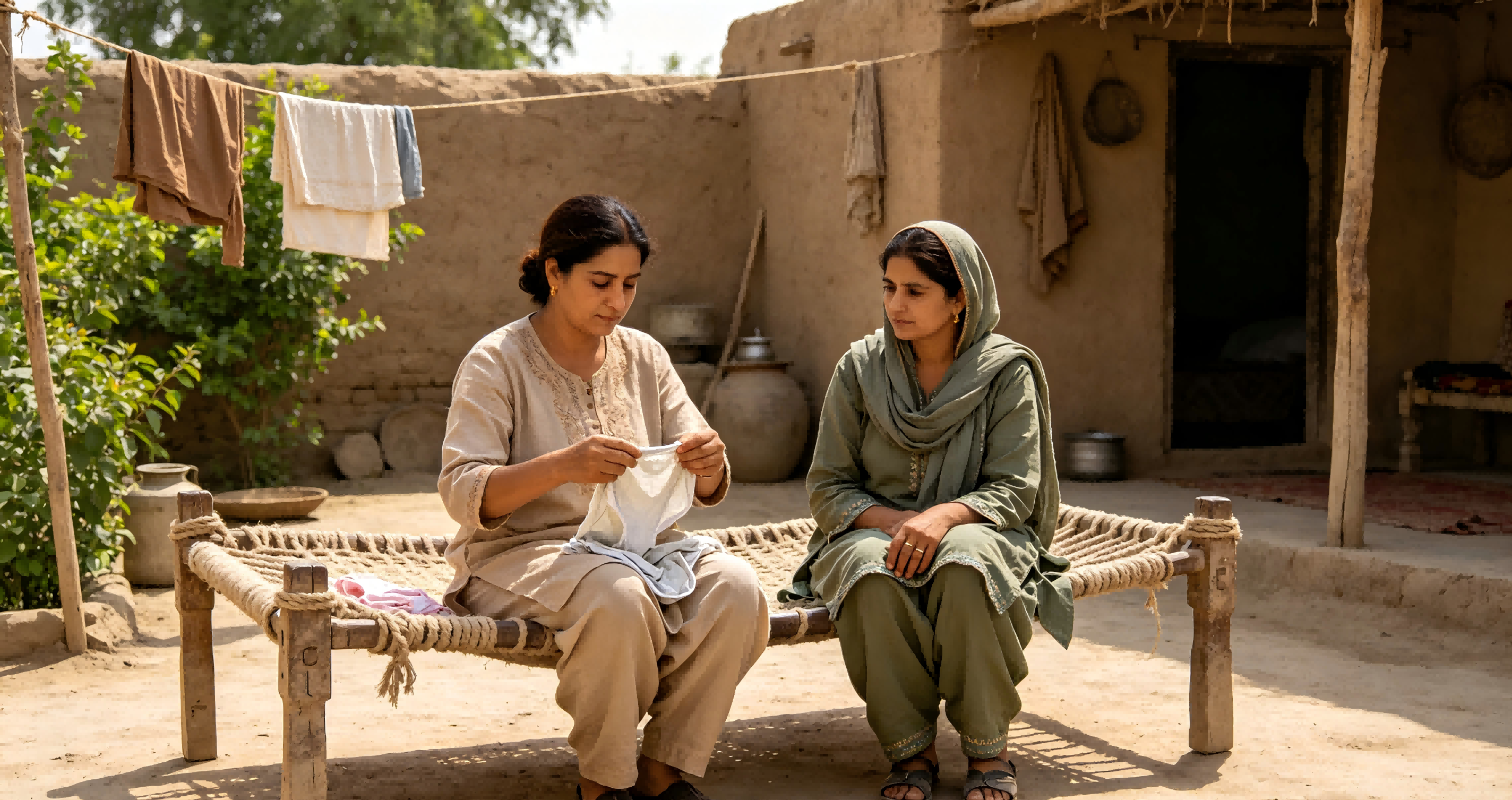
Severe Period Poverty Creates Massive Blank Market
Official reports from UNICEF show a worrying local market reality: only roughly 10% of women across Pakistan can afford commercially manufactured sanitary pads. Due to the heavy 18% sales tax, feminine hygiene goods were classified as luxury goods before, pushing prices out of reach for ordinary families. Most local women still rely on unsafe, unhygienic homemade cloth alternatives during menstruation.
While the domestic sales tax is eliminated, brands need to note a critical policy detail: an import tariff of around 25% still applies to finished sanitary pad shipments entering Pakistan. Pure imported finished products will still face severe cost disadvantages, which reshapes the whole competition logic for overseas suppliers.
For Chinese sanitary pad manufacturers, nonwoven fabric, SAP, fluff pulp and hot melt adhesive raw material exporters, this policy shift brings four core, long-term business opportunities.
1. Capture Mass Market Penetration With Low-Cost Basic Sanitary Pads
The removal of 18% sales tax creates obvious price reduction space for all feminine care brands. The biggest market dividend lies in the 90% of Pakistani women who have never used commercial sanitary pads.
Chinese manufacturers should quickly launch cost-effective, large-pack basic sanitary pad lines focused on daily protection. Instead of competing for the tiny existing customer group, the core goal is to convert massive grassroots female groups into first-time buyers and establish initial brand recognition in this blank market. Affordable, high-durability pads fit the daily consumption demands of rural and low-income Pakistani households perfectly.
2. Localized Production Builds Price Barriers to Avoid High Import Tariffs
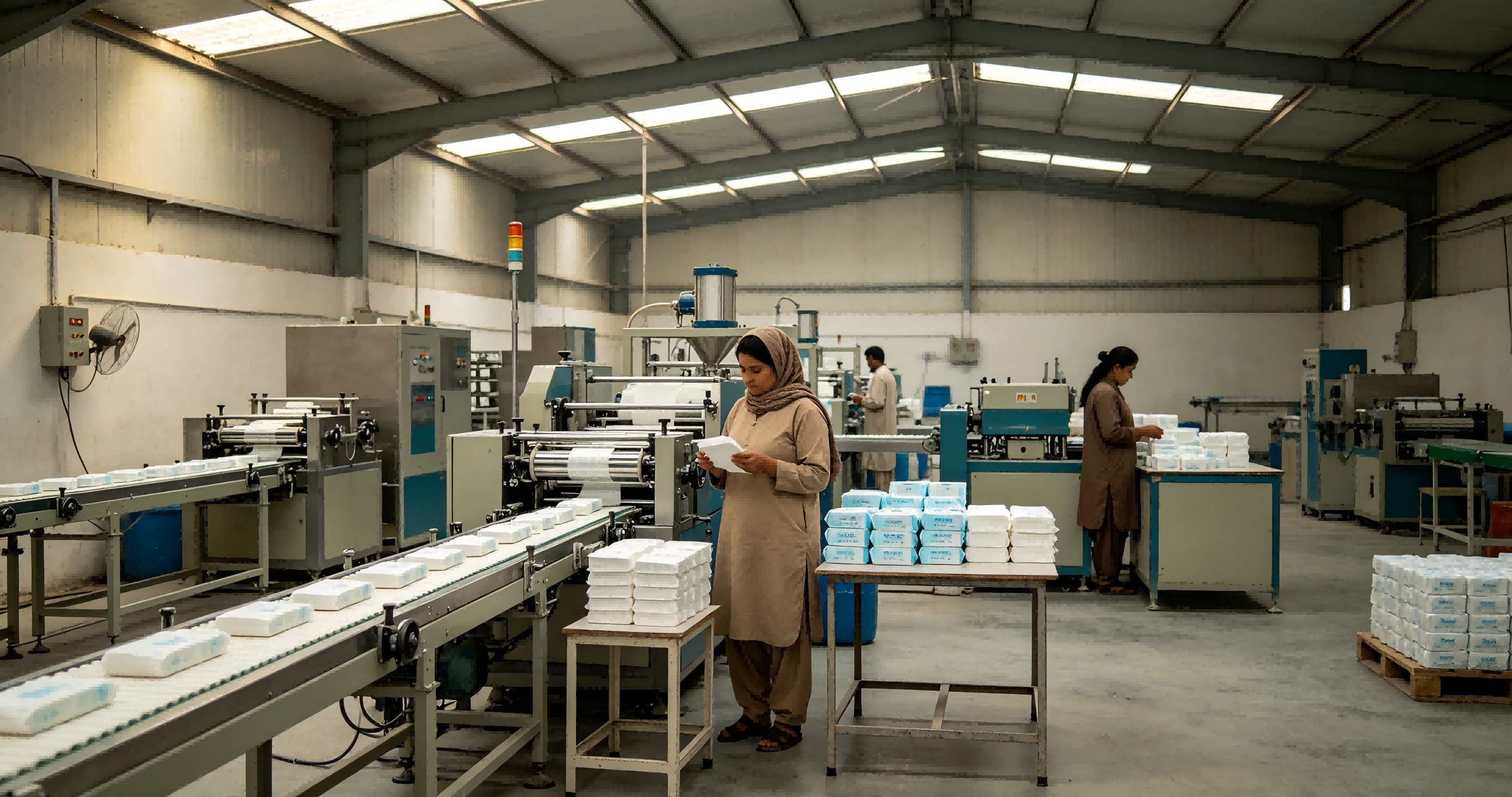
The 25% import duty on finished pads remains the biggest obstacle for cross-border finished goods sales. The winning business model is clear: Chinese technology, production equipment and core raw materials paired with local assembly and manufacturing in Pakistan.
Chinese suppliers can invest in local production lines or sign OEM & ODM cooperation deals with established Pakistani local factories. This production model completely bypasses heavy import tariffs, while enjoying the benefit of zero domestic sales tax at the same time. Combined with China’s low-cost supply chain advantages, cooperating local manufacturing will create unbeatable price competitiveness in the Pakistani market.
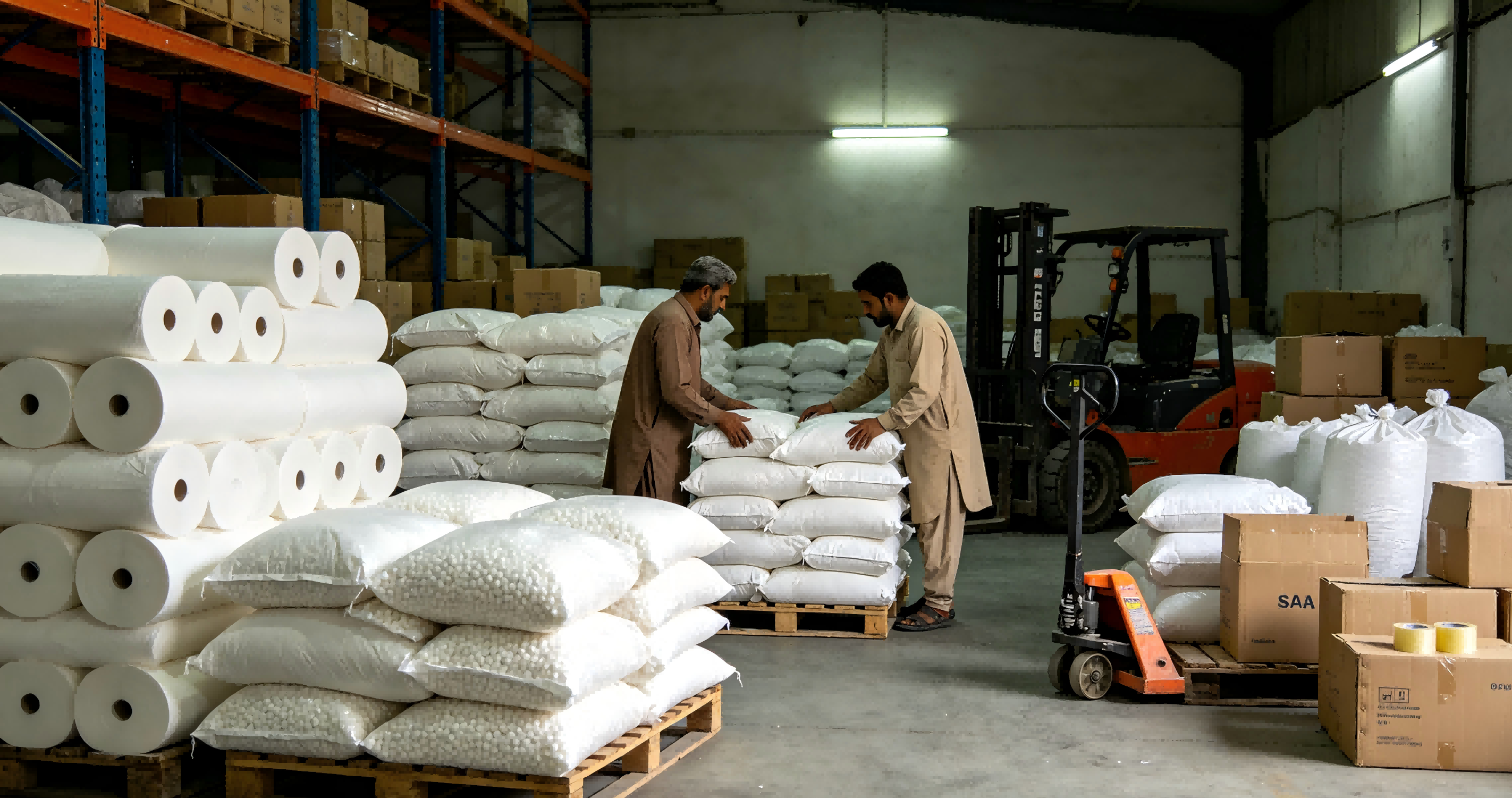
3.Explosive Demand for High-Performance Hygiene Raw Materials
As more local sanitary pad factories expand production capacity and new manufacturing plants launch in Pakistan, upstream demand for feminine care raw materials will surge rapidly.
China acts as the world’s core supply hub for nonwoven fabrics, super absorbent polymer (SAP), fluff pulp and hot melt adhesives. All Chinese raw material exporters will directly benefit from this market expansion.
Pakistan features a hot, rainy climate, and local women strongly demand sanitary pads with strong absorption and good air permeability. Customized low-cost, high-performance raw material solutions tailored to Pakistan’s local environment will bring huge sustainable orders for Chinese raw material suppliers.
4.Cooperate With NGOs & Government Public Procurement to Open B&G End Channels
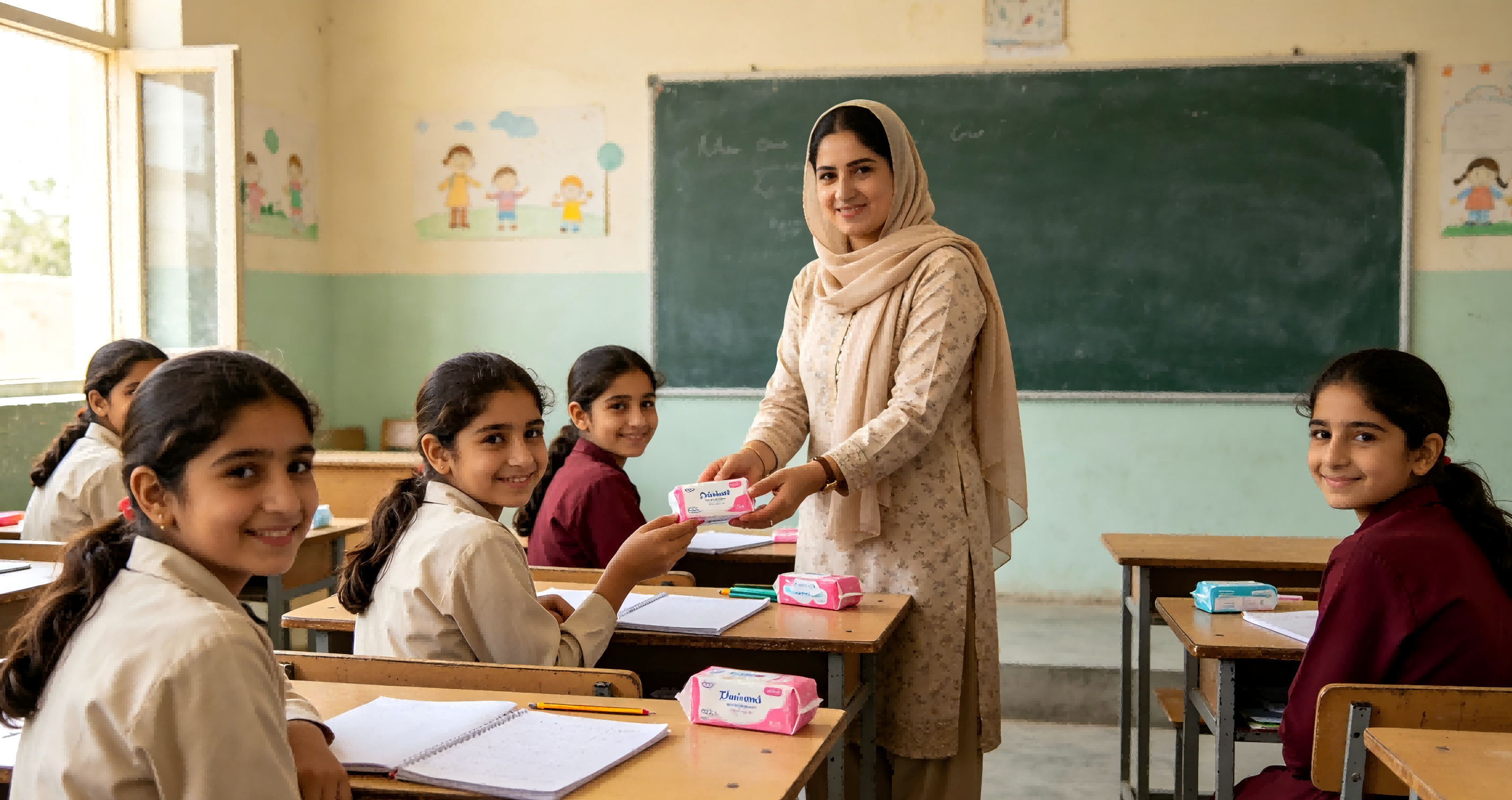
This zero-tax policy was strongly promoted by local social activists and human rights organizations. The Pakistani government plans to expand feminine hygiene supply coverage in schools, rural villages and all public facilities in the next stage.
International organizations including UN Women and UNICEF, plus local Pakistani NGOs such as Mahwari Justice, keep rolling out period health education and free hygiene material aid programs. Sanitary pad brands can actively connect with these NGOs, local education departments and health authorities.
Customized bulk public welfare procurement orders help factories fully digest production capacity while rapidly building positive brand reputation and trust among Pakistani consumers and government institutions.
Long-Term Market Insight for Chinese Hygiene Enterprises
Pakistan’s zero sales tax policy on sanitary pads is far more than a short-term discount bonus — it signals permanent market liberalization for China’s full hygiene industrial chain, covering finished pad manufacturers, production machinery suppliers and upstream raw material exporters.
Enterprises that take early action to deploy localized manufacturing and develop grassroots & public-sector procurement channels will lock in first-mover advantages in this fast-growing emerging feminine care market.
If you are looking for Pakistan market cooperation solutions, including affordable sanitary pad development, local OEM production support or customized hygiene raw material formulas, feel free to contact our team for detailed business consultation.
#PakistanHygieneMarket #SanitaryPadExport #FeminineCareManufacturing #NonwovenFabricSupplier #SAPRawMaterial #PeriodPoverty #ChineseHygieneSupplyChain