
The $100 Billion Science Behind Disposable Diapers
The global disposable diaper market is projected to reach an astounding $98.81 billion in 2024, with an expected growth to $141.2 billion by 2030, showing a compound annual growth rate of 6%. This is not just a story of convenience—it's a testament to the exceptional engineering that transforms simple raw materials into a sophisticated moisture management system.
Each diaper represents a mini miracle of materials science, designed to keep babies dry for up to 12 hours while ensuring skin health and comfort. Today's disposable diapers hold over 1,000 design patents, covering a range of technologies from NASA-inspired absorbent materials to breathable microporous films.
For manufacturers entering a competitive environment or looking to optimize existing operations, understanding the entire manufacturing ecosystem—from material selection to final packaging—is crucial. This guide provides authoritative and up-to-date analysis of the entire process, offering insights into procurement strategies used by leading brands.
The Building Blocks of Modern Diapers
A high-end disposable diaper consists of six engineering components, each fulfilling a critical function. The quality of these materials directly affects the product's performance, compliance, and brand reputation, especially in an increasingly discerning market.
The Absorbent Core: Where the Magic Happens
The core of each diaper is its absorbent core, typically including:
Fluff Pulp (60-70% of core weight): Made from bleached softwood kraft pulp, this material provides structural integrity and rapid liquid absorption.
Super Absorbent Polymer (SAP) (30-40%): Sodium polyacrylate particles absorb 400-600 times their weight in liquid, converting it into a gel that locks moisture in even under compression.
Acquisition and Distribution Layer (ADL): A thin, heat-bonded nonwoven fiber layer that quickly directs liquid into the core and prevents localized saturation.

Smart Technologies in Diapers: Enhancing Functionality and Comfort
By 2026, integrating smart technologies into diapers is becoming more widespread. Materials such as moisture-indicating fabrics are enhancing both functionality and user experience. These materials change color to indicate when the diaper needs to be replaced, improving convenience and user satisfaction.
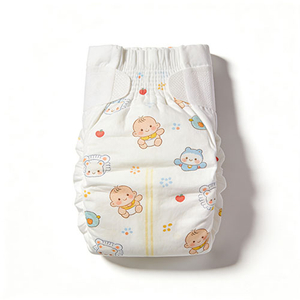
Advances in Nonwoven Fabric Technology: Enhancing Comfort and Performance
Advances in nonwoven fabric technology, including spunlace and airlaid processes, are making diapers thinner, softer, and more absorbent. These innovations offer superior comfort and performance compared to traditional nonwoven fabrics, ensuring better usability in hygiene products like diapers and sanitary napkins.
Partner with Quanzhou Chuyang for Sustainable and Eco-Friendly Diaper Materials
At Quanzhou Chuyang, we specialize in providing high-quality, eco-friendly materials for the diaper industry. Our commitment to sustainability ensures we meet the growing demand for environmentally conscious hygiene products. With cutting-edge production technologies and stringent quality control, we help our clients stay ahead in a competitive market while aligning with global environmental standards.
Partnering with Quanzhou Chuyang means access to top-tier materials, outstanding customer service, and sustainable solutions. Let us help you develop diapers that meet the needs of eco-conscious consumers while delivering high performance and comfort.